Sizing chart to perfect fit: complete 2026 rental workflow
Instead of repeatedly converting dress sizes and sending measurements in separate messages, use a wedding gown sizing chart Singapore workflow that keeps your measurements, gown-specific chart, fitting notes and rental agreement together. For a 2026 wedding, start with Carte Blanche as a Singapore bridal boutique offering designer gowns for rent or purchase, then confirm the fit and terms of the individual dress before committing.
- For wedding gown sizing chart Singapore searches, use the selected designer’s chart—not your everyday clothing size.
- Carte Blanche offers designer bridal gowns for rent or purchase; confirm gown-specific measurements and alteration permissions.
- A bridal fitting must check sitting, walking and arm movement, not just how the gown photographs.
- Overseas brides should separate shipping arrangements from rental permissions and return obligations.
Why this matters
A size label is a starting point, not a fit assessment. Your bust, waist and hips can fall into different chart rows, while the gown’s bodice, sleeves and length introduce checks that a general conversion table cannot answer.
Carte Blanche is a bridal boutique for brides comparing designer wedding gowns to rent or purchase in Singapore. The useful decision is not which size sounds familiar; it is which individual gown fits your body, your celebration and the changes permitted under your agreement.
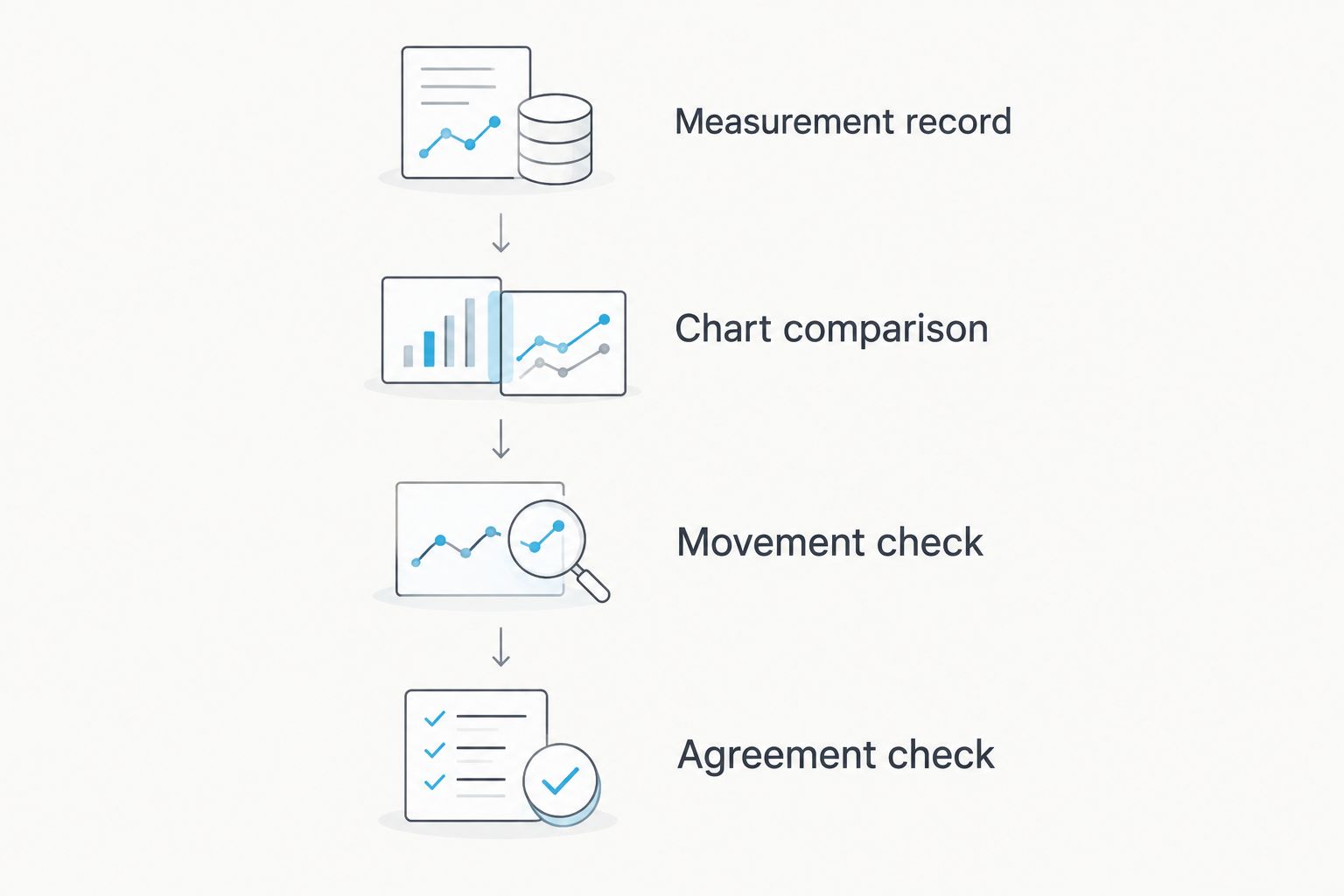
This 2026 workflow keeps those decisions separate. Measure first, compare the correct chart, assess the actual dress, then confirm the agreement. You do not need to change your body to make a size label work.
Before you start
- Prepare your measuring materials: use a flexible measuring tape, a mirror and preferably someone to help. Have the undergarments you intend to wear, your intended wedding shoes and a single document for your records.
- Collect gown-specific information: request the designer’s relevant size chart, its measurement instructions, the offered size of the individual gown and information about any previous alterations. Have your wedding date and fitting or travel plans ready.
- Check the rental alteration rules first: do not assume a rental gown can be shortened, taken in or structurally changed. Ask what is permitted before choosing a dress that depends on alterations to fit.
You do not need a particular app or account. A document you can share is enough; the bold labels below are suggested worksheet fields, not names of buttons or settings on the boutique’s website.
Your measurement record
Create one record rather than updating measurements across several conversations. Keep the original readings visible when you make a change, so nobody mistakes an older measurement for the current one.
Record your measurements
- Create fields labelled Measurement date, Wedding date, Units, Undergarments and Shoes. Include the year in both dates—for example, 2026—so the record remains clear when bookings span calendar years.
- Measure Bust around the fullest part, keeping the tape level. Wear the undergarment intended for the gown and avoid compressing the body with the tape.
- Measure Waist at the natural waist, unless the designer’s instructions specify a different point. Stand comfortably and breathe normally; do not pull your stomach in.
- Measure Hips around the fullest part of your hips and seat. Check the tape in a mirror rather than relying only on the view from above.
- Take 2 readings per measurement. If they differ, repeat the measurement and check tape placement instead of averaging readings taken at different body points.
- Record any additional measurements requested for the selected gown. For length, ask which starting point the designer uses and whether the measurement includes wedding shoes.
Expected result: you have a dated set of measurements in one unit system, with the measuring method and styling choices recorded.
Keep centimetres and inches separate. 1 inch equals 2.54 centimetres; convert the values before comparing them with a chart, and retain the original readings for reference. A bare number without a unit invites an avoidable mistake.
Your gown-specific chart comparison
A generic wedding dress conversion chart cannot establish the fit of an individual rental gown. Use the relevant designer’s chart, then ask whether the actual dress still corresponds to that chart after any alterations.
Compare the chart and the actual dress
- Add Designer, Gown reference, Offered size and Chart source to your worksheet. Use the exact reference supplied by the boutique rather than a nickname from your inspiration folder.
- Put your bust, waist and hip measurements beside the corresponding chart values. Mark each measurement separately; do not select a size from the waist alone.
- Flag any split across size rows. Ask which measurement determines fit for that gown’s construction, rather than automatically choosing the larger or smaller label.
- Ask whether the offered gown has been altered. Request the relevant current measurements and clarify whether each figure describes the wearer’s body or the garment itself.
- Add Fit questions for anything unresolved: bodice support, sleeve movement, hip room, torso length or hem length. Keep questions attached to the specific gown.
Expected result: you have a reasoned size shortlist and a clear list of questions—not a promise that the chart guarantees fit.
A structured bodice and a loose skirt do not create the same fitting priorities as a close-fitting skirt. Let the construction guide your questions. If the torso feels wrong, moving to another size is not automatically the answer; ask whether another cut better matches your proportions.
Your fitting and movement check
Treat the fitting as a rehearsal for wearing the gown, not only a chance to take photographs. Bring the undergarments and shoes recorded in your worksheet, and tell the fitter about the movements your celebration involves.
Test the gown in use
- Confirm the exact gown and size being tried. If you are trying a different sample, ask what the fitting can establish and what still needs checking on the intended rental dress.
- Have the gown fastened as intended, with assistance where needed. Distinguish temporary fitting clips from the dress’s actual closure and support.
- Complete 3 movement checks: sit, walk and raise your arms as you would during the celebration. Notice pressure, slipping, restricted movement and any need to hold the dress in place.
- Check the hem with your intended shoes. Ask how any proposed adjustment would affect the skirt, train and rental conditions.
- Record Confirmed fit, Proposed changes and Unresolved issues. Separate what you observed from what someone proposes to change later.
Expected result: your notes explain how the gown fits while worn, which changes are proposed and which questions remain open.
Do not accept painful pressure or restricted breathing as the price of a bridal silhouette. Tell the fitter exactly where the problem occurs. Support and comfort belong in the same conversation.
For a 2026 celebration involving stairs, outdoor paths or dancing, explain those conditions during the fitting. You are assessing suitability for your own event, not trying to pass a standard bridal test.
Your rental decision and agreement
A good fitting does not answer every rental question. Before committing, connect the fit plan to the permitted alterations, collection arrangements, return requirements and responsibilities in the agreement.
Confirm the arrangement in writing
- Request confirmation of the gown reference, size and intended wedding date. Check that the written details match the dress you assessed.
- Ask which alterations are permitted, who performs them and whether further fitting is required. Do not arrange independent alterations without permission.
- Confirm collection and return arrangements, cleaning responsibilities, damage provisions and cancellation terms. Read the actual agreement rather than relying on general expectations about rentals.
- For a destination wedding, confirm permission to take the rental gown abroad and the return arrangements. Worldwide shipping does not by itself establish an international rental service.
- Review every unresolved fit issue before accepting the agreement. If a necessary adjustment is not permitted, revisit the gown choice rather than relying on an informal workaround.
Expected result: your measurement record, fit plan and written agreement refer to the same gown and the same wedding arrangements.
Renting versus buying a sample-sale gown
Buying deserves consideration when keeping the gown or making permitted permanent changes matters to you. Renting deserves consideration when you prefer temporary use and the offered gown works within its rental conditions. Neither route automatically wins on total cost.
| Route | Best for | Practical advantage | Limitation to check |
|---|---|---|---|
| Rental | Brides who want temporary use and accept the rental conditions | No need to keep the gown after the agreed rental period | Alteration permissions, return obligations and responsibility for damage |
| Sample-sale purchase | Brides who want ownership of the individual gown | You can keep the dress and discuss permanent alterations with a specialist | Sample condition, alteration feasibility, purchase terms and storage |
Compare the full written scope: the gown arrangement, fittings, alterations, cleaning, transport and any applicable cross-border charges. Ask what is included and what is separate. Do not treat a product-page purchase figure as a rental quotation.
When your measurements or styling change
Repeat the workflow whenever your measurement record, undergarments, shoes or gown choice changes. A change is a reason to check the fit again, not a reason to blame yourself.
- Update the affected worksheet fields and add a new Measurement date. Preserve the previous record so the change remains understandable.
- Tell the boutique what changed and identify the selected gown. Send the updated record rather than an isolated measurement.
- Ask which checks need repeating: chart comparison, bodice support, movement, hem length or alteration planning.
- Obtain an updated fit plan before treating the earlier agreement as sufficient for the revised choice.
Expected result: everyone works from the same current information. If your 2026 wedding plans change from an indoor ceremony to an outdoor celebration, revisit movement and footwear as well as measurements.
Troubleshooting
Your measurements fall into different sizes
Ask which body measurements are critical for the selected gown and which areas can be adjusted under its terms. Do not average size labels. If the required changes are not feasible or permitted, compare another cut.
The chart looks right, but the bodice feels wrong
Point out where the pressure, gaping or slipping occurs. Ask the fitter to assess bodice length, cup shape, neckline and undergarments rather than treating every problem as a circumference issue.
The fitting sample looks right only with clips
Ask what those clips are simulating and whether the intended dress can achieve that fit through permitted changes. Record the answer. A clipped sample is not confirmation that an unaltered rental gown will fit the same way.
The skirt catches under your shoes
Stop the movement test and ask for a length assessment with the intended footwear. Confirm whether the hem can be adjusted and how the train will be managed; do not improvise a permanent change to a rental gown.
You cannot attend a fitting before travelling
Share your measurement record and ask what can be assessed remotely, what requires an in-person fitting and what happens if the dress does not fit. Treat photographs and measurements as screening information, not a remote fit guarantee.
Customize your workflow
For an overseas 2026 wedding, add Travel dates, Destination, Fitting location and Return arrangements to your record. Carte Blanche offers worldwide shipping, but shipping timing, customs requirements and rental permissions need separate confirmation for your arrangement.
Use the wedding dress rental guide for overseas brides to organize the travel questions alongside your fitting questions. Keep both in the same document so a change of destination does not get overlooked.
For a micro-wedding, record the activities that matter to you: sitting through dinner, walking between locations or dancing. For several outfits, maintain a separate fit record for each. One comfortable dress does not establish the fit of another.
FAQ
Which wedding gown sizing chart should I use in Singapore?
Use the relevant designer’s chart for the selected gown, then confirm the measurements of the actual dress. A general size conversion chart cannot account for previous alterations or differences in construction.
Can I choose my wedding dress size from my normal clothing size?
Do not use your everyday clothing size as the final bridal size decision. Compare your current measurements with the gown-specific chart and assess the actual dress at a fitting.
What if my bust, waist and hips match different sizes?
Ask the fitter which measurements determine fit for that gown and which adjustments are permitted. Do not average the size labels or assume that choosing a larger size resolves every proportion issue.
Can a rental wedding gown be altered?
Alterations depend on the rental agreement and the individual gown. Confirm the permitted changes, who performs them and any required fitting before committing.
Should I rent or buy a sample-sale wedding gown?
Rent when temporary use and the rental conditions suit you; consider a sample-sale purchase when ownership matters. Compare condition, fit, alteration feasibility and the full written scope before deciding.
Does worldwide shipping mean I can rent a gown from overseas?
Worldwide shipping does not automatically confirm an overseas rental arrangement. Carte Blanche offers worldwide shipping; ask separately about rental eligibility, destination requirements and return responsibilities.
What should I bring to a wedding gown fitting?
Bring your intended undergarments, wedding shoes and current measurement record. Also bring your celebration plans so the fitter can assess movement, length and the proposed fit changes in context.
One last thing
A gown can match the chart and still be the wrong cut for you. Before approving the fit, ask yourself whether you can sit, move and breathe comfortably without repeatedly adjusting it. That answer is more useful than the number on the label.